Understanding the complexities of international healthcare delivery often requires looking closely at local histories, social structures, and direct community engagement. While traditional classroom settings provide foundational concepts, place-based educational opportunities can allow students to observe complex health delivery systems firsthand.
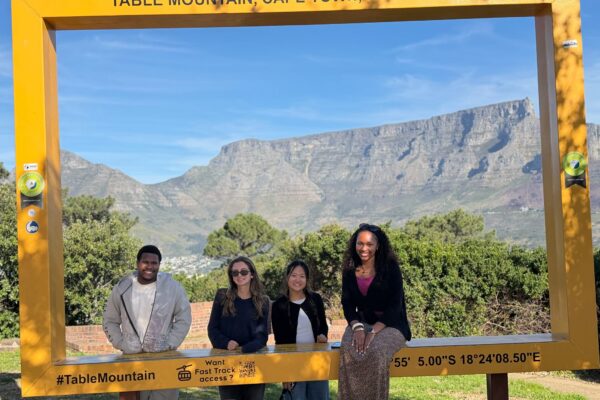
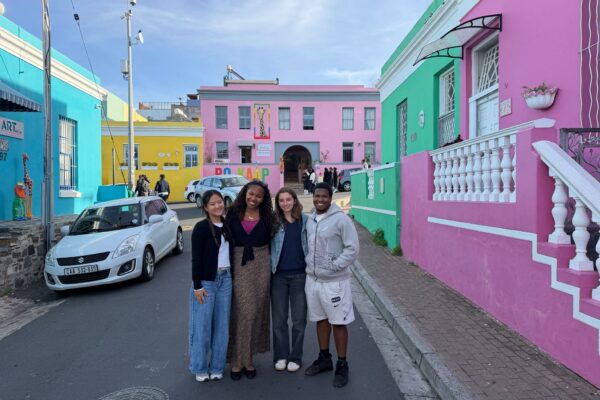
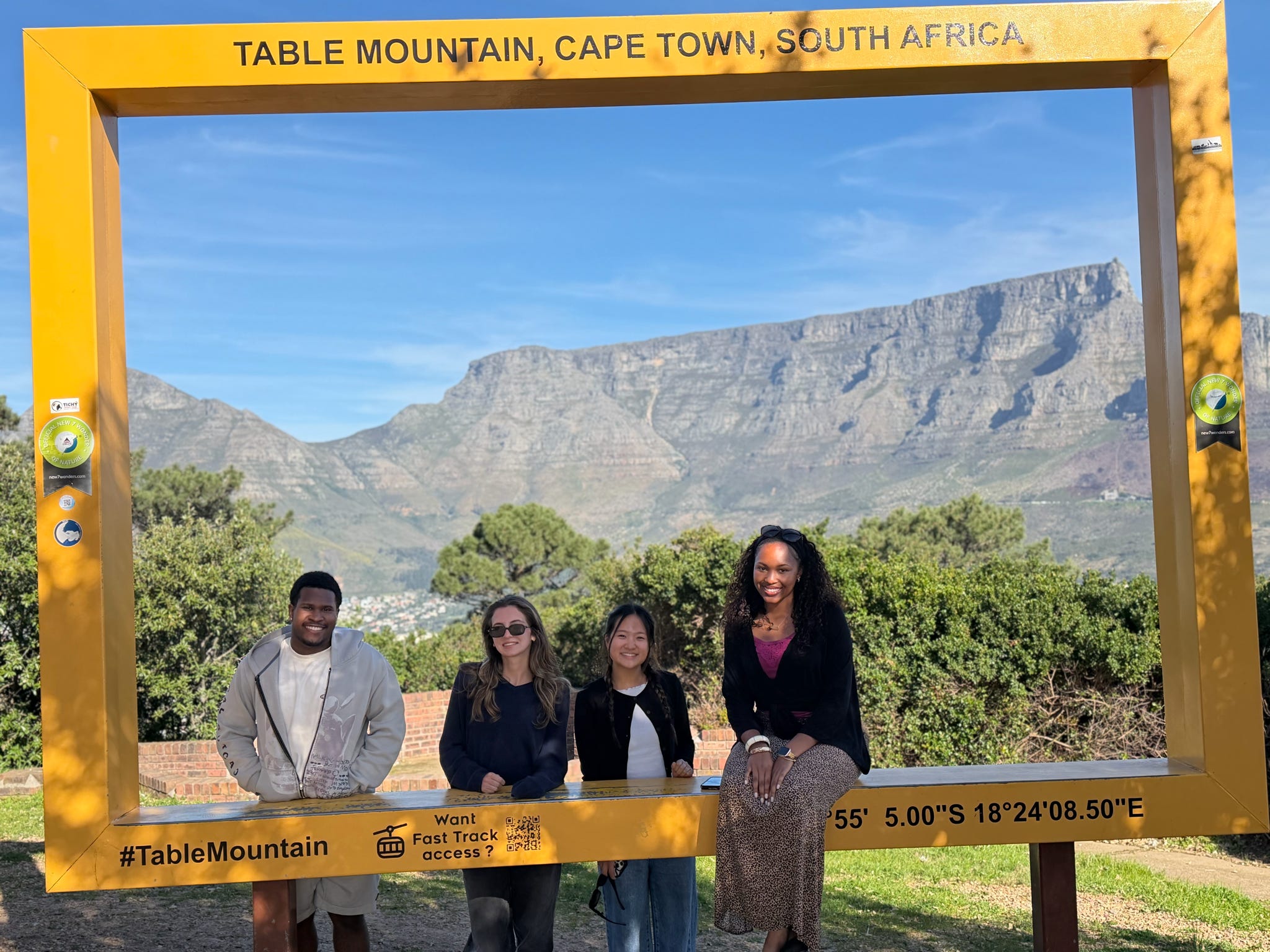
We recently hosted six students from Boston University in Cape Town, South Africa, for a Global Health and Service Learning program. Set over two weeks, thisjourney was designed to provide a practical understanding of local public health delivery alongside direct engagement with the region’s history and culture.
Connecting Academic Foundations with Local Contexts
Strong educational frameworks form the baseline of meaningful study abroad programs. During their stay in Cape Town, students met with academic experts and local practitioners to examine healthcare access and administrative structures across both public and private healthcare settings.
A visit to the University of Cape Town Faculty of Health Sciences provided participants with context on local health systems and public health initiatives. Discussions centered on regional challenges, including resource allocation and structural differences across public health institutions.
Specialized healthcare advocacy also formed a notable component of the itinerary. Engagement with Dr. Anastacia Tomson offered insights into transgender healthcare access and inclusive medical practices within South Africa. Students also visited the Pride Shelter Trust to observe how dedicated community facilities aim to support vulnerable populations during crisis periods.
Collaborative Engagement alongside Community Leaders
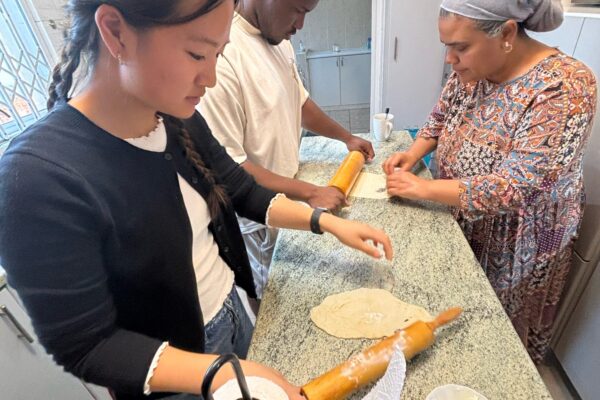
A significant portion of this program involved service work with an array of established local nonprofits. Ethical learning programs prioritize active listening and collaboration with local organizations, as working directly with community partners can assist students in appreciating local knowledge and community-based care models.
The program featured structured engagements alongside local leaders and community initiatives. At YMCA Athlone, participants observed the Y-Health program, gaining direct insight into community home-based care models for individuals managing chronic illnesses, terminal conditions, and physical disabilities. In Masiphumelele, students joined the Kidz Africa team at the Desmond Tutu/Mpilo Health Park, participating in youth movement classes and learning about physical wellness programs designed for young adults. Additionally, during the Kalk Bay Walk of Remembrance, local artist and educator Traci Kwaai shared generational stories of the local fishing community, illustrating how land history and community identity can intersect with overall community well-being.
These direct exchanges offered students an illustrative look at how localized initiatives attempt to address daily challenges on the ground.
Historical Perspectives and Guided Student Reflections
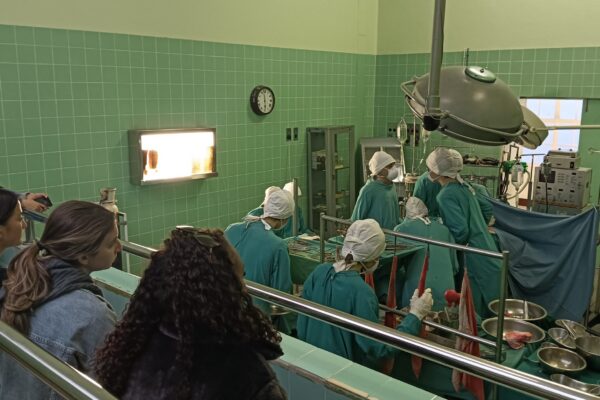
Public health environments tend to remain closely connected to historical developments. Visiting historic sites allowed students to better contextualize current socioeconomic conditions and healthcare access across the Western Cape.
Excursions to the District Six Museum and Robben Island offered critical historical grounding. The cohort listened to personal accounts from former political prisoner Dr. Lionel Davis, exploring how historical resistance movements have shaped aspects of modern South African society.
Structured reflection sessions throughout the program provided students dedicated time to process these complex historical narratives and analyze their personal learning journeys. Through pre- and post-program evaluations, participants documented their self-reported personal growth, intercultural communication skills, and professional development.