In March 2026, students from the University of North Carolina-Charlotte participated in a specialized ecology study abroad Kenya program designed to provide a deep look into wildlife conservation. The program centered on the different approaches required to maintain healthy ecosystems while navigating the complex relationship between natural heritage and human history.
Conservation Strategies in Practice
The academic experience began in Nairobi, a city that uniquely borders a 20,000-acre national park. At Nairobi National Park, students observed how wildlife exists alongside a major urban center, gaining insight into the challenges of habitat loss and urbanization.
Learning moved from broad ecosystems to specific species protection at the David Sheldrick Wildlife Trust. Here, students learned about the long term commitment required to rehabilitate orphaned elephants and rhinos. The visit highlighted how various measures, including anti-poaching and community awareness, work together to support conservation and preservation.
Field Study in the Maasai Mara
The program transitioned to the Pardamat Conservation Area within the greater Maasai Mara ecosystem. To prepare the group for their time in the field, Lincoln, one of our East Africa Team Leaders, provided an in-depth overview of conservation in Kenya. Hailing from central Kenya, Lincoln brings a wealth of expertise to the program. His background in community based conservation provided the necessary academic foundation for the students. This session was essential in preparing the group for the complexities of the Mara ecosystem and the practical field observations that followed.
Staying at the Wildlife Tourism College (WTC), students engaged in hands-on learning at both the Pardamat Conservation Area and the Naboisho Conservancy. They explored the practical differences between two distinct approaches: the dual-use land model where wildlife and pastoralist communities coexist, and the single-use land model where areas are dedicated exclusively to wildlife protection.
A central part of the field study involved game counts and wildlife monitoring. Students followed pre-determined transects to collect data on herbivore populations. They measured distances, recorded compass directions, and performed physical counts, later uploading this data for analysis. This consistent data collection is vital for measuring the progress of a conservancy in terms of biodiversity.
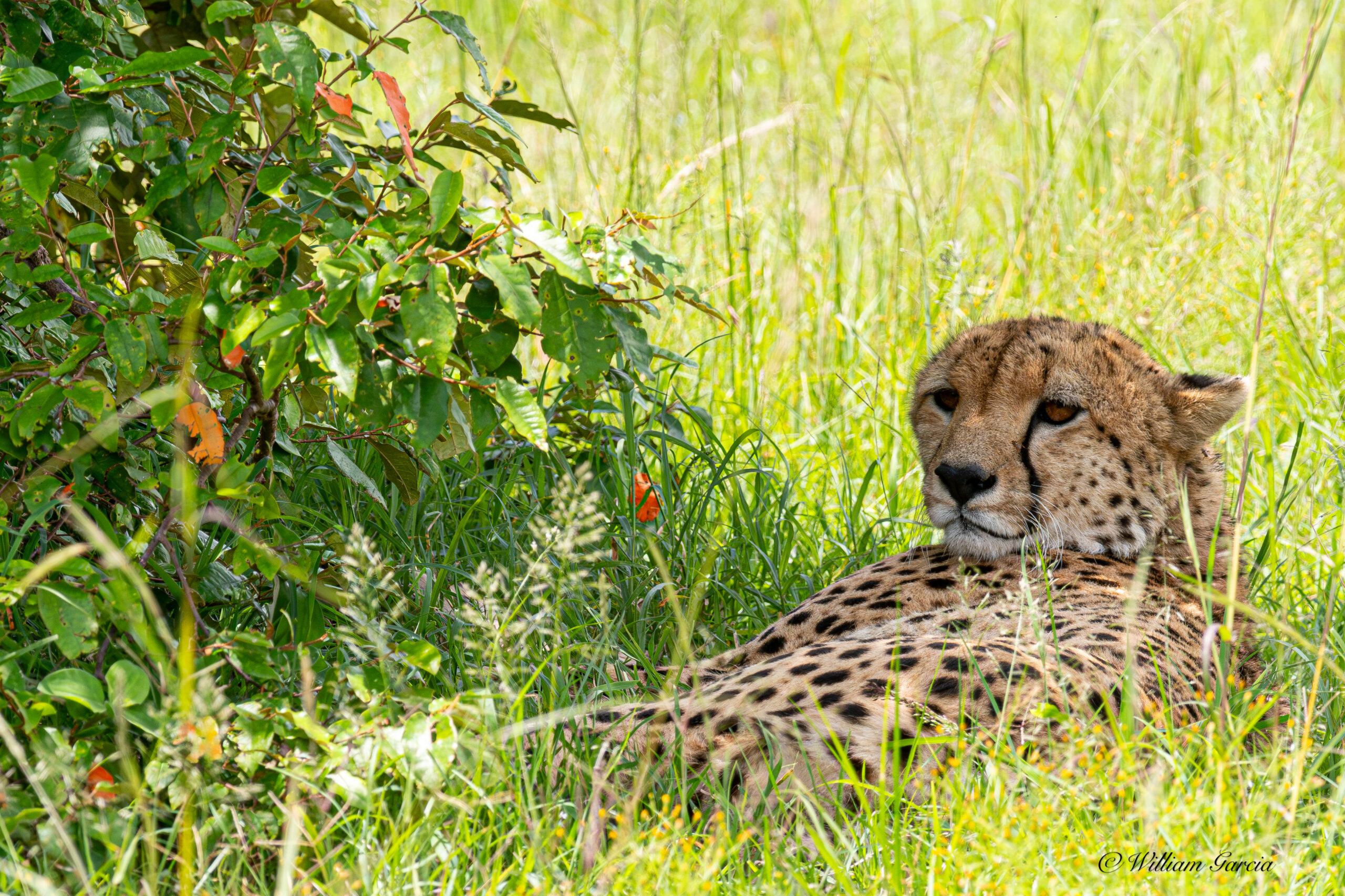
Students also spent time in the Maasai Mara National Reserve, witnessing a government-led conservation model that protects over 600 square miles of open savanna grasslands. They examined how this model compares to other global approaches while observing wildlife in their natural habitat.
Cultural Immersion and Environmental Restoration
Meaningful conservation education requires understanding the people who live within these landscapes. During the Limuru Marketplace Challenge, students used basic Kiswahili phrases to interact with local vendors, practicing ethical bartering while purchasing goods for community projects.
In the Maasai Mara, students joined local herders as they brought livestock home for the evening. This Maasai cultural experience provided a look into the domestic routines of pastoral families who navigate daily life alongside roaming elephants and lions.
The program also emphasized the role of forest management through an engagement with the Centre for Ecosystem Restoration Kenya (CER-K). Students learned about the importance of indigenous forests in combating climate change and participated in restoration activities such as tree planting.
Academic Outcomes and Reflection
This Kenya field study program utilized place-based education to help students connect environmental themes to their wider career objectives. Throughout the week, formal reflection sessions allowed participants to process their experiences and evaluate their own worldviews. By combining academic rigor with experiential learning in Africa, the program encouraged students to think critically about the interconnection of global ecosystems.